


Transforming medicines security at Norfolk and Norwich University Hospitals NHS FT
Like many hospitals, Norfolk and Norwich University Hospitals NHS Foundation Trust (NNUH) relied on traditional keys to secure medicines cabinets.
Internal audits and discussions with the Care Quality Commission (CQC) highlighted an opportunity to strengthen medicines security, reducing reliance on shared keys and improving accountability for access to medication.
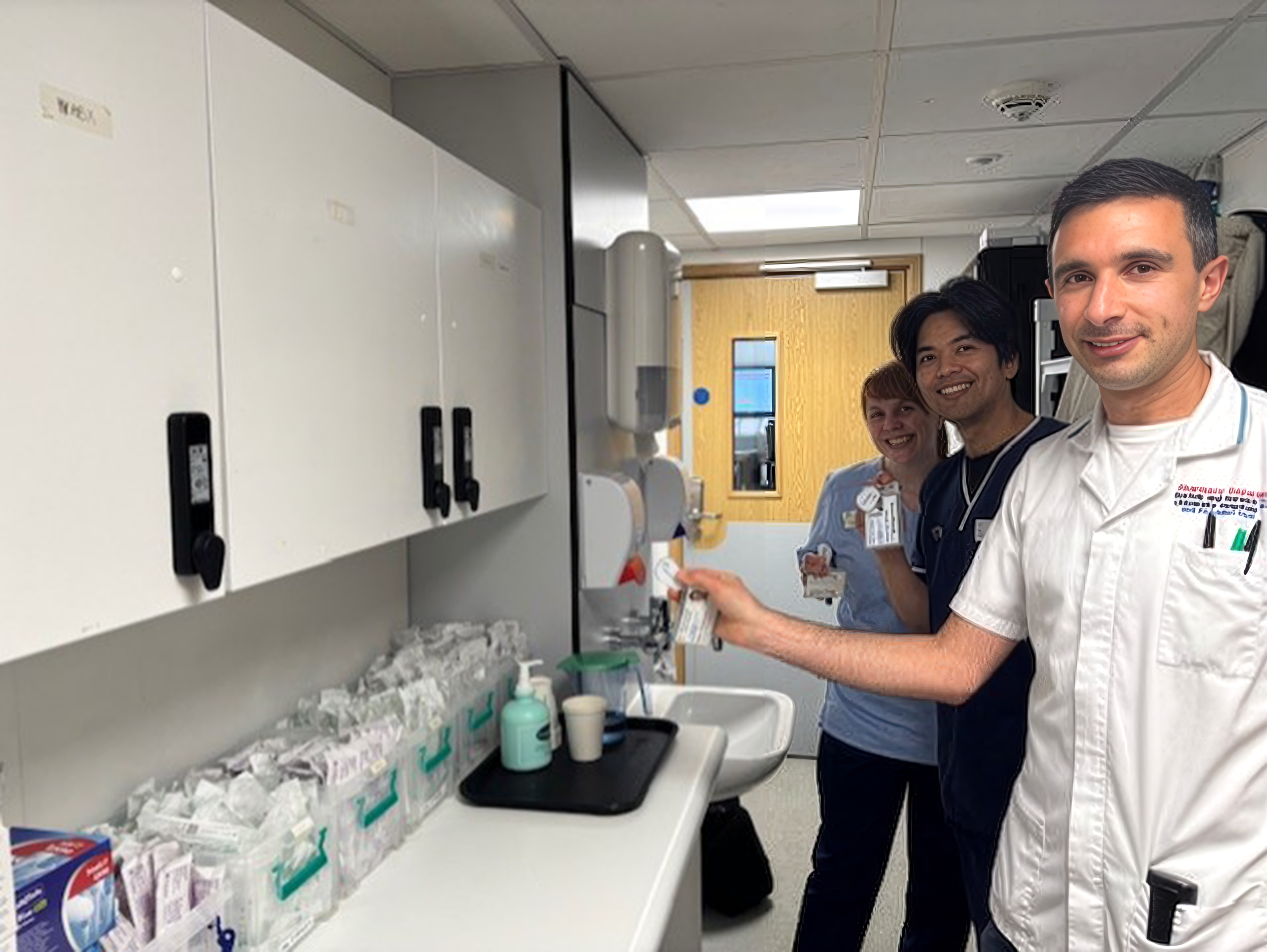
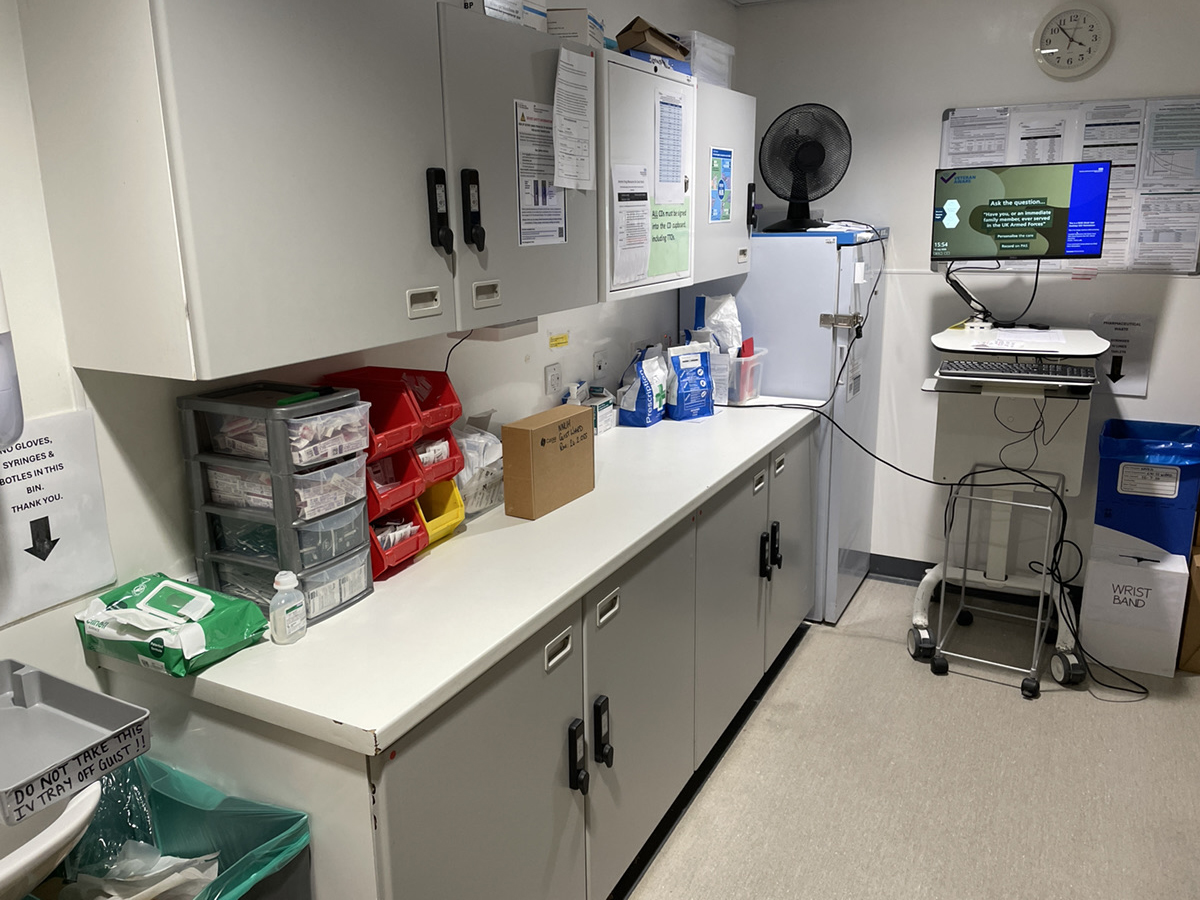
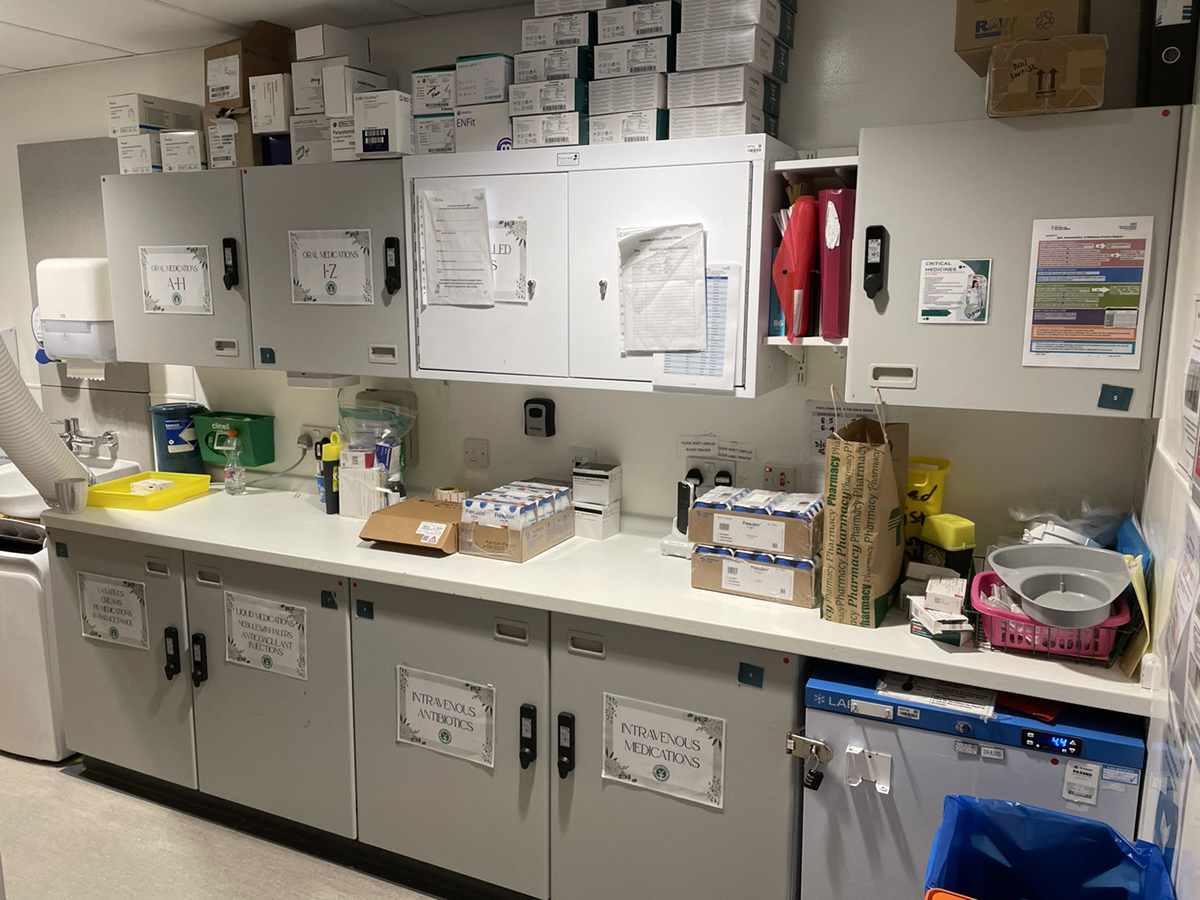
The Trust worked with Parity Medical to introduce E series electronic access control to improve security across medicines cabinets in ten wards, including the Neonatal Intensive Care Unit (NICU).
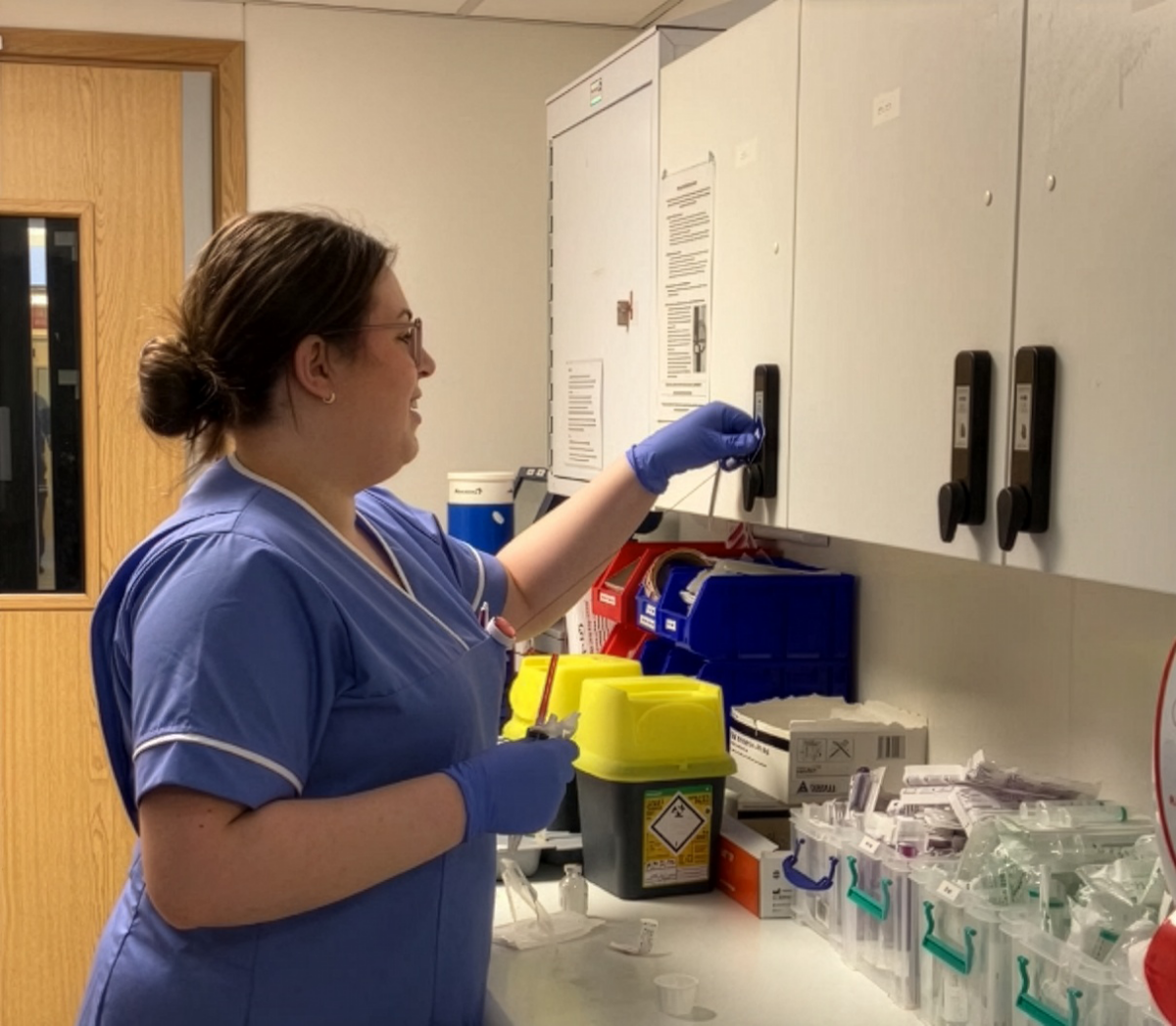
The project at a glance
- 10 wards included in the rollout, including the NICU
- [NUMBER] cabinets fitted with E series locks
- Individual, traceable access for authorised staff
- Survey, planning, installation, training, & support
“Feedback from staff has been absolutely brilliant for these locks.
They find them so easy to use, it saves them time, they don’t have to worry about looking for keys any longer, and—ultimately—it’s had a big benefit for patient care because they’re no longer delayed looking for medications when they’re needed urgently”.
Robin Saadvandi,
Pharmacist Team Leader - Medicine
Norfolk & Norwich University Hospitals NHS FT
From shared keys to accountable access
NNUH faced a common healthcare challenge: relying on traditional keys to secure medicines cabinets. Although familiar and inexpensive, keys can create practical challenges in busy clinical environments.
A key provides access without accountability. Once a cabinet is opened, there is no automatic record of who accessed it or when, making it more difficult to establish a clear audit trail if stock discrepancies arise or concerns need to be investigated.
Keys can also be misplaced, taken home inadvertently, or held by a colleague elsewhere on the ward. When medication is needed, staff must first locate the keyholder, taking time away from patient care.
NNUH had already introduced electronic access control for insulin fridges, providing controlled access and a record of every opening. The Trust wanted to extend the same level of security, accountability, and traceability across its wider medicines storage estate.
A managed implementation
To support the rollout, Parity Medical worked alongside pharmacy, clinical, and estates teams to ensure the deployment integrated with existing workflows while minimising disruption to day-to-day operations.
Parity Medical’s services included:
• Site surveys and project planning with clinical, estates, and pharmacy teams.
• Installation and post-installation checks of locks on every cabinet.
• Staff training and handover, including an agreed emergency access process.
• Ongoing technical support and system administration guidance.
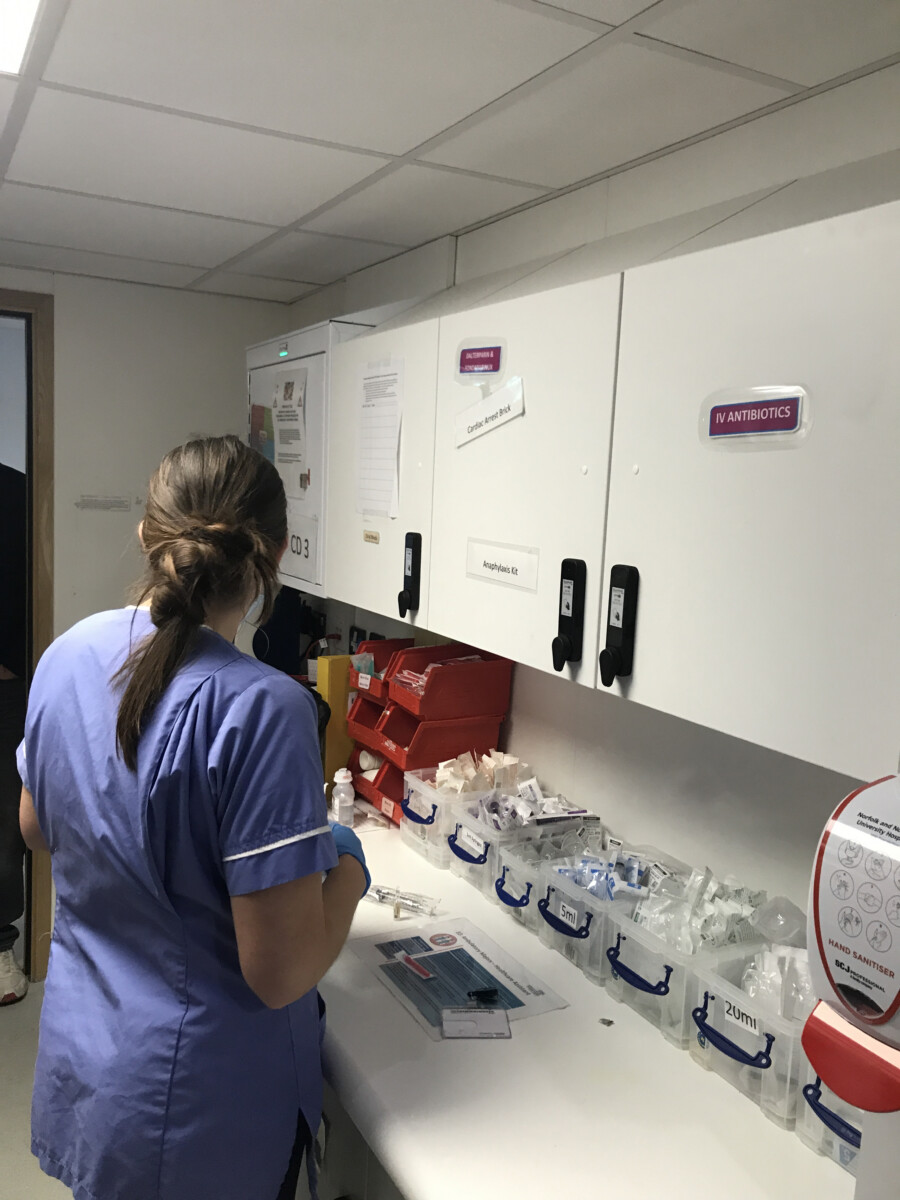
What’s changed on the wards
-
No more searching for keys.
Authorised staff can access medicines cabinets using their own credential. -
Access is restricted to named, approved users.
Permissions can be managed centrally and adjusted as staff roles change. -
Every cabinet opening is recorded.
Each access event is linked to an individual user, creating a clear audit trail across medicines storage locations. -
A consistent approach to medicines security.
Cabinet access controls now complement the Trust’s existing electronic controls for insulin fridges.
A wider approach to medicines safety
Electronic access control is one component of effective medicines governance. Systems are most effective when supported by robust medicines policies, staff training, routine stock checks, and a culture that encourages concerns to be raised and acted upon.
NNUH found that E series provides an additional layer of oversight, helping ensure medicines cabinets can only be accessed by authorised staff while creating a clear audit trail of cabinet activity.
Looking ahead
This project demonstrates how electronic access control can modernise medicines storage, reducing reliance on shared keys while providing greater visibility of cabinet access.
As healthcare organisations review medicines governance and storage practices, many are looking for practical ways to strengthen control, accountability, and traceability across their medicines storage estate. Further information on the broader discussion around medicines safeguards can be found in the Thirlwall Inquiry report.
Reviewing your medicines storage?
Whether you’re planning a refurbishment, replacing ageing cabinets, or reviewing access controls across your organisation, E series locks can be retrofitted to many existing cabinets, providing a practical way to introduce secure, auditable access without replacing existing furniture.
Parity Medical can help assess your current medicines storage arrangements, identify opportunities for improvement, and develop an approach that meets the needs of your clinical, pharmacy, and governance teams.
Talk to our team about a medicines storage and access control review, or explore how E series electronic access control could support your organisation.
Click here for more information on the E series. Alternatively, get in touch today via the contact form below.
Latest blogs
See our latest case studies, team updates, and new products below. If you would like a case study at your hospital, please let our team know and we’d be happy to put together a video to showcase your project.

Get in touch
Submit an enquiry
Please contact us via the form below or pop onto our instant Live Chat service.
